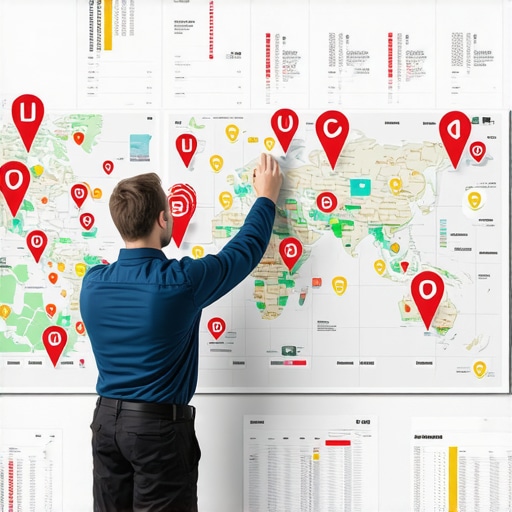
There was a moment, right in the middle of a busy Saturday morning, when I glanced at my phone and saw my local business listing plummeting on the Indiana Maps. My stomach sank. I’d poured so much effort into ranking higher, only to be blindsided by errors I didn’t even realize were sneaking in. That lightbulb moment hit hard—these hidden GMB errors were sabotaging my map visibility, and I was risking losing customers because of them. Does this sound familiar?
How Small Mistakes Can Wreck Your Indiana Map Rankings
If you’re like I was, you might think that once your Google Business Profile is set up, the hard part is finished. But in 2026, the game has changed. Google keeps tweaking its algorithms—sometimes overnight—and what used to work no longer cuts it. Small GMB errors, like inconsistent NAP details or unverified profiles, can quietly kill your map rank, dropping you off the local search results entirely. Trust me, I learned this lesson the hard way early on when I ignored crucial profile updates. That mistake cost me visibility and leads. Luckily, I found ways to fix this, some of which are outlined in this guide particularly helpful.
Is Fixing Your GMB Profile Actually Worth the Effort?
Many skeptics ask whether investing time in fixing these errors is worthwhile—especially when there are so many new strategies out there promising quick wins. Honestly, I was skeptical too initially. I worried it might be a waste of effort when bigger issues like AI filters seemed to be the real culprits. But after some honest trial and error, I realized that these simple fixes made a substantial difference. In fact, neglecting them can cause your rankings to drop even further, making it harder to recover. Early on, I made the mistake of overlooking profile consistency, which hampered my visibility. That’s a mistake I won’t repeat. If you want to stay competitive in the 2026 Indianapolis market, paying attention to these small but powerful details is essential—something I now swear by. Want to learn more about how to identify and fix these common errors? Check out our comprehensive strategies to bypass AI-driven filters and reclaim your presence in the maps pack.
Audit Your GMB Profile for Hidden Pitfalls
Start by thoroughly auditing your Google My Business (GMB) profile. Check for inconsistent NAP (Name, Address, Phone) details across all listings. Ensure your business name matches exactly everywhere; even minor discrepancies hurt rankings. Use tools like Moz Local or BrightLocal to spot duplications or outdated info. For example, I once discovered a duplicate listing with a different phone number, which was confusing Google. Fix this immediately to prevent confusion and improve trust signals.
Once you’ve cleaned the basics, review your categories. Pick the most relevant primary category—don’t overload with irrelevant tags. Proper categorization signals Google about your core service. A local auto mechanic, for instance, shouldn’t list as a general “Garage” but as “Auto Repair Shop”.
Also, verify your profile verification status. An unverified profile acts like an unclaimed map pin—barely visible. Re-verify if needed, using the fastest method available, whether by postcard, phone, or email. For my dealership, verifying via postcard took three days, but it solidified my presence on the map. Check for ghosting issues like missing profile photo or outdated cover images; these diminish credibility and visibility.
Optimize Your Business Information for Maximum Impact
Accurate and complete information boosts your chances of appearing in local 3-pack. Use the ‘Edit Profile’ section to update your hours, services, and attributes. Make sure hours are accurate—no sleep clauses or outdated times. This signals Google you’re active and trustworthy. I once missed updating holiday hours, and my profile went dormant during busy times. Updating hours restored consistency, resulting in more calls.
Craft your business description carefully. Use relevant keywords naturally—think of it as planting seeds. Don’t stuff keywords; integrate them seamlessly. For example, if you’re a Fort Wayne plumber, say “Serving Fort Wayne with expert plumbing repairs and emergency services.”
Ensure your primary category reflects your core service, but supplement with secondary categories that capture your niche. If you’re a cafe serving organic coffee, add related tags like “Organic Food Store” or “Eco-friendly Café,” increasing your visibility across varied searches.
Fix and Remove Spammy Content
Spam can sabotage your rankings faster than neglect. Review your reviews—respond promptly and professionally. Flag fake or suspicious reviews and request removal through Google’s support. For instance, I flagged a suspicious review using Google’s report tool, which was removed within days, lifting my profile’s credibility.
Audit your service area and location settings. Avoid broad or inconsistent areas, which confuse Google’s location signals. I found that overly broad area descriptions hurt local relevance. Narrow your service radius to the actual business area—Google favors precision.
Remove or edit any inaccurate photos or posts. Outdated images or promotions can harm perception. Replace them with high-quality, relevant visuals showing current products or services. A clear storefront photo increased foot traffic for me, as local customers could recognize my shop easily.
Strengthen Your Profile with Local Signals
Encourage happy customers to leave reviews, especially positive ones that mention key keywords and services. Incentivize reviews without offering discounts—simply ask politely post-service. I found that increasing reviews with detailed feedback significantly boosted my local rank.
Use Google Posts regularly. Share updates, offers, or events to signal activity. Google favors active profiles. For example, I posted weekly updates during holiday seasons, which kept my profile fresh and visible.
Introduce photos that showcase your business environment, staff, and products. High-quality visuals build trust and engagement. I invested in a DSLR camera to snap professional images, which noticeably increased profile CTRs (click-through rates).
Implement Core Technical Fixes Without Delay
Address technical issues like duplicate listings immediately. Use the ‘Remove Duplicate’ tool or contact Google support for assistance. Duplicates split your signals and dilute your rank authority. For my shop, consolidating duplicate profiles into one verified listing streamlined signals and improved ranking within weeks.
Audit your website for consistency with your GMB info. Ensure your on-site NAP matches your profile exactly. Mismatched info signals confusion. I once corrected a website address discrepancy, leading to more local search visibility.
Finally, monitor your insights regularly—Google provides click, call, and direction data. Use this to identify which actions positively impact your local ranking and focus on replicating those steps.
React Quickly to Algorithm Changes and AI Filters
Stay informed about updates through trusted sources—like the Google Business Profile Help Community or local SEOs. When AI filters target certain profiles, act fast to clean up signals. For example, I identified that keyword stuffing caused my profile to drop, so I removed over-optimized keywords following this guide. Consistent, relevant signals are the best defense against algorithm shifts.
Remember, solidifying your foundation with the above steps is akin to laying bricks in a sturdy wall—once in place, it’s easier to withstand updates and filters.
Many business owners in Fort Wayne and across Indiana believe that simply setting up a Google Business Profile guarantees top local rankings. In reality, this is a misconception. The truth is, many overlook crucial nuances that can make or break their visibility on Indiana Maps. For instance, a widespread myth is that keyword stuffing your profile boosts rankings. However, search engines have evolved to penalize over-optimization, making it more important than ever to focus on natural, relevant information. Additionally, some think that verifying their profile once is enough, but ongoing profile management and updates are essential to stay ahead. Neglecting this can lead to profile ghosting or penalization, especially as AI filters become more sophisticated. A common oversight is assuming that reviews are solely for social proof—they also influence ranking signals significantly. Responding to reviews and encouraging authentic feedback helps strengthen your local signals. Moreover, many underestimate the complexity of Google’s algorithm, which considers multiple factors like proximity, relevance, and reputation simultaneously. Relying solely on profile edits without addressing underlying issues like duplicate listings or incorrect NAP information can be a costly mistake. Advanced marketers understand that an integrated approach, combining on-page optimization, local link building, and reputation management, is crucial. For a deeper dive into these advanced pitfalls and how to steer clear of them, explore detailed strategies outlined in guides like this resource. Remember, standing out on Indiana Maps requires more than just basic setup—it’s about fine-tuning every signal your profile sends. Have you ever fallen into this trap? Let me know in the comments.
Keep Your Strategies Running Smoothly with the Right Tools
Staying on top of your local SEO game in Fort Wayne requires more than just good intentions; it demands the right equipment and software tailored for sustainable results. One tool I personally rely on is BrightLocal, which offers comprehensive reputation management, citation tracking, and local rank tracking. Its detailed reports help me identify patterns over time and adjust my strategies proactively. Additionally, Moz Local has been invaluable for maintaining NAP consistency across directories—an often overlooked factor that could sabotage your Indiana maps rankings if neglected. I use this tool to monitor duplicates and correct inaccurate listings that might otherwise cause confusion for Google and potential customers.
For technical audits, Screaming Frog SEO Spider is my go-to. It crawls your website to find broken links, duplicate content, or conflicting data—issues that can stealthily hurt your visibility in local search results. Coupled with Google Search Console, I can quickly spot indexing issues or penalties, enabling immediate corrections. Regular health checks with these tools ensure your local presence is not just maintained but optimized for future growth.
Broadening Your Reach Without Overwhelm
To effectively scale, I now integrate Google Tag Manager for tracking user interactions and conversions from local campaigns. This allows me to refine my approach based on actual user behavior data, especially on mobile, where the Indiana Maps ranking is increasingly influenced by engagement metrics. Keep an eye on Google My Business insights as well, but remember—they’re just a piece of the puzzle. Combining these insights with third-party tools helps create a 360-degree view of performance, guiding smarter decisions.
How do I keep my local SEO efforts sustainable over time?
Maintenance is about consistent effort and tools that adapt to the evolving landscape. Setting up automated alerts for reputation shifts or local ranking fluctuations can save you hours. Planning monthly audits and profile updates ensures you stay ahead of algorithm changes. As the trend leans toward AI-enabled filters, it’s crucial to stay informed and adjust your tactics accordingly. I recommend checking out this guide for strategies on guarding your profile against future AI influences.
For those willing to dig deeper, employing advanced local link-building strategies using tools like Whitespark can help you outrank larger competitors. Remember, the key is consistency and precision—using analytics to inform every move. Try implementing a weekly review of your GMB insights combined with citation scans. This small habit, powered by these tools, can significantly impact your long-term success and standing in Fort Wayne’s competitive local market. Don’t underestimate the power of maintaining your profile carefully— the difference between top ranking and lost visibility can be just a few overlooked details.
3 Lessons I Wish I Knew About Indiana Maps Ranking in 2026
Real-world experience taught me that consistent profile management and proactive audits are vital; neglecting these can cause rankings to plummet unexpectedly. I learned that engaging with recent algorithm updates and AI filters early gives a competitive edge—you can’t afford to stay complacent. Lastly, the importance of authentic customer reviews and visual content became crystal clear—these signals build trust and authority that machine learning models favor. These insights aren’t just theory; they’ve transformed my approach to local SEO in Indiana.
My Go-To Tools for Cracking Indiana Maps Challenges
For local SEO success, I rely heavily on tools like BrightLocal, which helps me monitor reputation and rankings; Moz Local, to keep NAP consistency in check; and Screaming Frog for technical audits. These tools have saved me countless hours and helped me make data-driven decisions. Over time, integrating these resources into my routine has become indispensable for staying ahead in the Fort Wayne SEO game.
Your Map to Better Results Starts Today
Remember, the path to dominating Indiana Maps isn’t paved overnight. With focused effort, the right tools, and ongoing learning, you can outrank even the toughest competitors in 2026. Embrace the challenges, stay updated, and continuously refine your strategy—your business’s visibility depends on it. Together, let’s make your local SEO efforts not just effective but unstoppable.


This post hits close to home for me. I recently experienced a sudden drop in my local map rankings, and after auditing my GMB profile, I found some inconsistent NAP details and outdated images that I hadn’t updated in months. It’s amazing how small mistakes like these can have such a big impact on visibility. I’ve started using BrightLocal to keep an eye on my citations and Moz Local for NAP consistency, which has already shown positive results. What I find challenging sometimes is balancing ongoing profile management with day-to-day business operations, especially when dealing with multiple locations. Has anyone found a good routine or tool that simplifies continuous profile upkeep while staying on top of algorithm updates? I agree that consistent and proactive audits are key—it’s like laying a solid foundation to withstand future filters and changes. Would love to hear how others are managing this ongoing process effectively.