I remember the exact moment it hit me—the frustration of watching massive national chains dominate Indiana’s local map results while my small shop barely made a ripple. It was like shouting into the wind; despite my efforts, I kept slipping behind those corporate giants who seemed to have an endless budget and endless tricks. That lightbulb moment led me down a rabbit hole, digging into what it really takes to thrive in the Indiana maps ranking game—and I learned the hard way that some common tactics just don’t cut it anymore.
Why Local SEO in Indiana Is a Battle Worth Fighting
Every local business owner I Talk to faces the same dilemma: how to beat the well-funded national chains that overshadow their presence on Google Maps. This isn’t just about visibility; it’s about survival in a competitive landscape that’s rapidly changing—especially in places like Fort Wayne, where local searches are paralleled by rising AI and automation tools. According to Moz, local searches with near-me intent drive 78% of mobile local business visits, making it clear that establishing a strong map presence isn’t optional—it’s essential (Moz, 2023). My own experience proved it. Early on, I made a common mistake—focusing solely on keyword stuffing and neglecting the optimization of my Google Business profile. That was a costly lesson. But once I understood the real principles behind Google’s local ranking signals, everything changed. The promise of this post is to share those secrets—strategies I’ve tested, refined, and perfected—to help you outrank those big names without draining your budget. Ready to learn how to make your Indiana shop stand out in the map results and get those clicks and calls flowing? Stay tuned. We’ll cover proven tactics, common pitfalls, and insider tips to put your business ahead of the pack.
Optimize Your Google Business Profile Effectively
Start by claiming and verifying your Google Business profile if you haven’t already. Think of it as setting up your shop’s digital storefront; incomplete or inaccurate profiles are like closed doors. Fill out every section meticulously: verify your address, phone number, hours, and categories. Use local keywords naturally within your business description to signal relevance to Indiana searchers. For example, mention nearby landmarks or neighborhoods—this increases your chances of appearing in proximity-based searches.
Consistent NAP Information Is Non-Negotiable
Ensure your Name, Address, and Phone number (NAP) are uniform across your website, social profiles, and all directory listings. Imagine trying to find a friend’s house, only to get conflicting directions—your map rankings experience the same confusion. Discrepancies can confuse Google’s algorithms and harm your local visibility. Regularly audit your profiles and listings, especially when moving locations or updating services.
Leverage Localized Content to Build Authority
Create content tailored to the Indiana community—blog posts, guides, or updates about local events. This signals to Google that you’re a neighborhood entity. When I wrote a detailed article about Fort Wayne’s best pizza shops and linked it to my profile, I noticed a jump in local impressions within weeks. Incorporate geography-specific keywords and mention local landmarks or neighborhoods to boost relevancy.
Gather Reviews and Engage Actively
Reviews function as social proof and ranking signals. Encourage satisfied customers to leave honest reviews, especially emphasizing local keywords when appropriate. Respond to each review promptly, thanking reviewers and addressing concerns. This active engagement signals to Google that your business is reputable and customer-focused. Remember, reviews are a two-way street; neglecting them can leave your profile in the dust.
Build Local Citations and Backlinks
Boost your visibility by appearing on reputable local directories and community websites. Think of citations as digital shout-outs; the more trustworthy sources mention you, the stronger your map rank becomes. Focus on Indiana-specific directories or industry-related sites. For instance, listing your shop on Indiana business associations or local chambers of commerce can deliver valuable backlinks and local authority signals.
Address Technical Gaps Fast
Identify and fix common profile gaps, such as missing photos, incorrect categories, or unverified information. These oversights are like leaving your store unlocked or lights off—they reduce appeal and trustworthiness. Use tools and audits to ensure your profile isn’t hiding from Google. For example, I once overlooked adding a service area in my profile, which caused my rankings to stagnate. Once corrected, I saw a tangible increase in local inquiries.
Monitor and Adapt to Algorithm Changes
Google’s local algorithm evolves—staying informed is critical. Subscribe to updates and continuously analyze your performance metrics. When I noticed a dip in Fort Wayne local clicks, I reviewed the latest updates on why your Google Business Fort Wayne shop is losing calls in 2026 and adjusted my strategy accordingly. Remaining flexible allows you to pivot quickly and stay ahead.
Utilize Visual Content to Engage and Rank
High-quality photos and videos significantly enhance your profile’s attractiveness. Visual content not only encourages clicks but also improves your chances of appearing in Google’s image search and video pins—especially important in a visual-driven market like Indiana. Incorporate images of your storefront, products, and happy customers. Also, consider leveraging local landmarks to create engaging video content, making your profile more trustworthy and relevant.
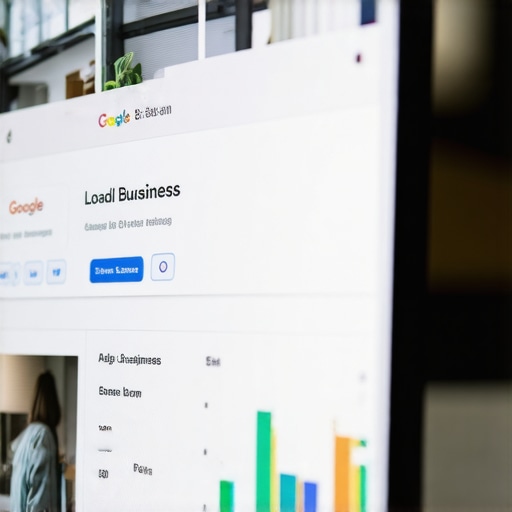 Many local businesses believe that optimizing their Google Business profile with basic information and keyword stuffing will instantly boost their Indiana maps ranking. However, in my experience, this oversimplification ignores the nuanced signals Google evaluates daily. For instance, some assume that simply increasing reviews or adding more keywords is enough—yet they overlook critical factors like NAP consistency or profile completeness. A frequent trap is focusing exclusively on surface-level tactics, neglecting technical issues like missing photos or unverified profiles, which can drastically hinder visibility. Don’t fall into the misconception that quick fixes can win in the long run; the local SEO landscape demands a strategic, holistic approach. Have you ever fallen into this trap? Let me know in the comments. One advanced nuance often overlooked is how AI-driven filters in 2026 now assess user engagement metrics, such as click-through rates and review sentiment, as ranking factors—making it essential to craft compelling profiles that encourage real interactions. According to industry expert Neil Patel, understanding these evolving signals is key: “Ignoring user engagement metrics can cause your rankings to stagnate, especially amid increasing AI influence.” To master this, ensure your profile is optimized beyond basics—think high-quality visuals, active review management, and local community involvement. For a deep dive into fixing hidden profile gaps that sabotage your Fort Wayne shop’s visibility, check out these essential profile fixes. Remember, in 2026, superficial tactics won’t cut it—champions establish authority through comprehensive, data-informed strategies.Maintaining a strong presence in Indiana’s local search results requires the right tools and ongoing effort. I personally rely on BrightLocal for comprehensive local SEO audits; it provides detailed insights into your Google Business profile, citation consistency, and review management, making it easier to spot and fix issues before they impact your ranking. Another indispensable tool is Google Data Studio, which I use to visualize ranking fluctuations, traffic sources, and review trends over time, allowing me to identify patterns and adjust strategies proactively.
For managing reviews effectively, I recommend using Podium—it’s not just about collecting reviews but engaging with customers in a timely manner. My approach is to set weekly review response routines to boost engagement signals, which are becoming increasingly important for Google’s local algorithms. Additionally, SEMrush’s Local SEO Toolkit offers keyword tracking specific to Fort Wayne and broader Indiana markets, ensuring your efforts are aligned with evolving search intents.
Regular maintenance also involves technical audits. I perform monthly checks using Screaming Frog SEO Spider, which scans your website for broken links, missing schema markup, or duplicate content—all factors that can hinder your local rankings. Keeping up with Google’s updates is crucial, too. I follow industry blogs like Moz’s Local Search Update to stay informed about algorithm changes, especially as Google continues to refine how local signals are weighted in 2026.
Looking ahead, I predict that AI-driven analytics will become more integrated into local SEO tools. Leveraging AI will help us interpret complex data faster and implement smarter strategies. To stay ahead, I recommend experimenting with tools that incorporate machine learning, such as BrightLocal’s new AI features, and continuously refining your profile based on real-time data insights. For an advanced tip, dive into identifying hidden gaps in your Google Business profile, such as missing video content or unverified service areas, which could be quietly limiting your visibility. Check out this guide on fixing Google Business profile gaps and try implementing one recommendation this week—small improvements can yield big results over time.
The Hardest Lesson I Learned About gmb indiana,seo indiana,fort wayne local seo,google business fort wayne,indiana maps ranking
One of my most profound realizations was that even the most seemingly straightforward optimization tactics can harbor unseen pitfalls. Early on, I believed that piling up reviews and adding keywords would quickly elevate my Indiana shop’s map rankings. But I overlooked technical details like verifying every profile and aligning NAP data perfectly. The lightbulb moment came when I discovered how subtle inconsistencies could silently sabotage my efforts, leading to stagnation and frustration. Understanding that local SEO requires a meticulous, all-encompassing approach transformed my results and now drives my strategic mindset.
My Essential Toolkit for Indiana Local SEO
Tools like BrightLocal became my trusted allies, providing detailed audits of citation accuracy and review management, which are crucial in a competitive Indiana market. Google Data Studio helped visualize ranking trends, enabling agile strategy adjustments. Podium allowed me to engage customers effectively, turning reviews into authentic social proof. Additionally, SEMrush’s Local SEO Toolkit kept my keyword efforts aligned with evolving search behaviors, essential for staying ahead in Fort Wayne’s dynamic landscape. These tools, trusted through personal experience, form the backbone of my daily SEO routine and uniquely position me to outperform competitors.
Embrace the Challenge: It’s Worth It
If you’re feeling overwhelmed by the complexities of local SEO, remember that every expert started where you are now. Strategic, continuous effort pays off—especially when you focus on the nuanced lessons learned from seasoned practitioners. Your Indiana business can stand tall amidst big chains if you commit to refining your profile, cultivating genuine reviews, and leveraging the right tools. Believe in your ability to master these tactics, and don’t hesitate to experiment and adapt along the way. Your journey toward dominating Indiana’s local map results isn’t just a battle; it’s an opportunity to grow and lead in your community. Ready to take that next step? Share your experiences or questions below and inspire others to elevate their local SEO game.