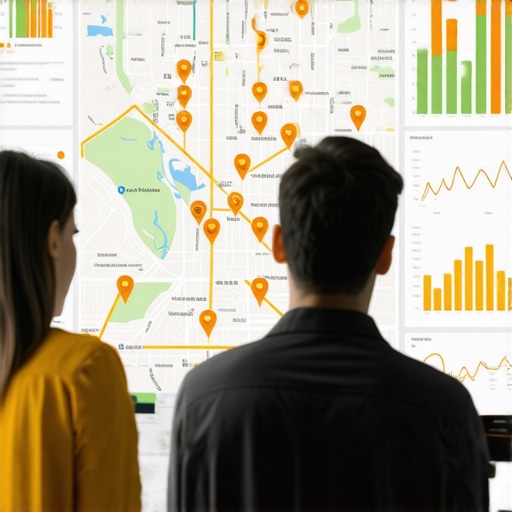
My Personal Journey into Google Business and Indiana Maps Optimization
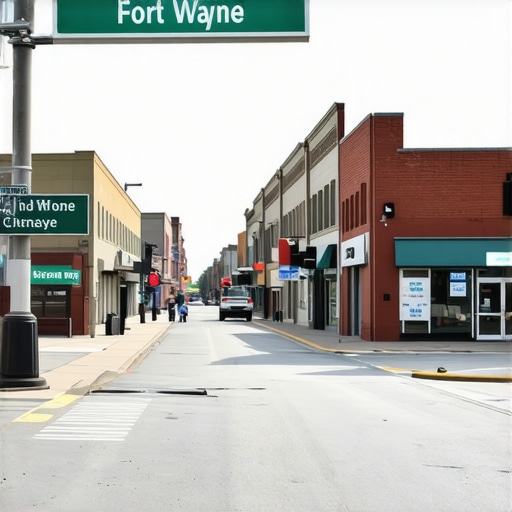
Several months ago, I found myself frustrated with how my local business was struggling to gain visibility on Indiana Maps, especially within the competitive landscape of Fort Wayne. I vividly remember the moment I decided to take a deep dive into Google Business optimization—an experience that transformed my approach and results. Today, I want to share my insights and practical strategies that helped me boost my Google Maps ranking and I hope they can do the same for you.
Why Local SEO and Google My Business Matter More Than Ever
From my experience, local SEO is the backbone of attracting nearby customers. When I first started, I underestimated how powerful Google My Business (GMB) can be—yet, I quickly learned that optimizing my GMB profile was crucial. According to Moz, local SEO can significantly enhance your visibility, especially in maps rankings. I realized that a well-optimized GMB profile acts as a digital storefront, directly influencing how high you appear in local searches.
My Tried-and-True Strategies to Boost Indiana Maps Ranking
Initially, I focused on ensuring my business information was complete and accurate—name, address, phone number, and hours. Then, I started actively gathering reviews from satisfied customers, which proved to be a game-changer. Positive reviews are not just social proof but also signals to Google about your credibility. I also made sure to incorporate relevant keywords naturally into my business description, a tip I learned from some top local SEO resources.
How Content and Local Signals Play a Role
One thing I didn’t overlook was adding high-quality photos regularly, showcasing my services and the ambiance of my business. Google favors active profiles, and fresh content helps keep your listing relevant. Additionally, I leveraged local backlinks and citations, which are critical in reinforcing my business’s authority—more details on this can be found in Fort Wayne Local SEO Tips. These efforts collectively improved my rankings over time.
What are the common pitfalls to avoid when optimizing for Google Maps?
Great question! I learned the hard way that inconsistent NAP (Name, Address, Phone) details across listings can hurt your rankings. Also, neglecting to respond to customer reviews or ignoring insights from Google My Business dashboard can limit your growth. Regularly monitoring your profile and staying engaged with your audience are key strategies I recommend.
If you’re serious about growing your local presence, I encourage you to explore comprehensive resources like this ultimate guide. It’s packed with actionable tips that complement what I’ve shared.
Would you like to share your own experiences with Google Business? Drop a comment below—I’d love to hear your story and exchange ideas!
Leveraging Local Signals for Unmatched Visibility on Indiana Maps
Building on foundational tactics, one of the most effective ways to elevate your presence is by harnessing local signals—an often overlooked aspect that can significantly impact your rankings. These signals include citations, local backlinks, and community engagement. For instance, ensuring your business is consistently listed across reputable directories with accurate NAP details reinforces your authority in Google’s eyes. Additionally, engaging with local community events and sponsoring local initiatives can generate valuable backlinks and social proof, further boosting your profile’s credibility. To deepen your understanding of these tactics, explore Fort Wayne Local SEO Tips which offers actionable insights tailored for Indiana businesses.
Optimizing Google My Business for Competitive Edge
While basic optimization is essential, advanced strategies involve structuring your GMB profile to stand out. This includes utilizing Google Posts to share updates, offers, and events, which keeps your profile active and signals relevance. Also, leveraging attributes—such as “wheelchair accessible” or “Wi-Fi”—helps match your profile to specific local queries. Regularly analyzing GMB insights can reveal customer behaviors and search patterns, enabling you to refine your strategy. For a comprehensive approach, consult the Ultimate Guide to GMB Optimization.
Can Local Content Strategies Sustain Long-Term Map Dominance?
Absolutely. Creating hyper-local content—such as blog posts about community events, local news, or customer success stories—can significantly enhance your local relevance. This content not only attracts local backlinks but also encourages engagement and sharing within the community. Additionally, incorporating local keywords naturally into your website and blog content ensures your entire digital footprint aligns with local search intent. For example, a post about “Top 10 Fort Wayne Restaurants” can drive targeted traffic and improve your overall local SEO health. For more in-depth tactics, visit this resource.
What are the nuanced factors that can make or break your Indiana Maps ranking?
Great question! Beyond the obvious, factors such as Google’s understanding of your business categories, the consistency of your local signals, and even user engagement metrics like click-through rates and review velocity play crucial roles. Google constantly updates its algorithms, and staying ahead requires a nuanced understanding of these signals. For example, a sudden drop in reviews or inconsistent category selections can adversely affect rankings. Monitoring your profile regularly and adapting your strategy accordingly is vital. I recommend reviewing Google’s official documentation and trusted SEO resources to stay informed about algorithm updates and best practices.
If you’re eager to refine your local SEO strategy further, I encourage you to share your experiences or questions below—let’s grow together and dominate Indiana Maps in 2025!
Unraveling the Complexities of Google Maps Rankings: A Personal Reflection
As I delved deeper into Indiana Maps optimization, I quickly realized that the landscape is layered with nuanced factors that often escape the surface-level strategies. For instance, understanding how Google’s algorithm interprets your business categories can make or break your rankings. I once experienced a sudden drop in visibility after mistakenly selecting overly broad categories—an eye-opener that precision matters. This prompted me to meticulously review and refine my categories, aligning them more closely with my core services, a tactic I learned from this authoritative resource. Such adjustments, though seemingly minor, can significantly influence your local search performance.
Deep Dive: How User Engagement Metrics Influence Your Map Rankings
Beyond the traditional signals like reviews and citations, I discovered that user engagement metrics—such as click-through rates, time spent on your profile, and review velocity—also play a pivotal role. These signals act as Google’s way of gauging your relevance and trustworthiness in real-time. I recall experimenting with Google Posts to keep my profile active, which seemed to boost engagement and, consequently, my rankings. It’s a continuous balancing act—optimizing not just for algorithms but for authentic customer interactions. For advanced insights, exploring this guide helped me understand how to leverage these metrics effectively.
What Are the Hidden Signals That Can Propel Your Indiana Map Visibility?
This question has haunted me at times because I’ve seen how subtle factors—like the consistency of your business information across all platforms, or your participation in local community events—can silently influence your rankings. For example, sponsoring a local charity not only improves your community presence but also generates backlinks and social proof that Google recognizes. These are the kinds of hidden signals that require a strategic, long-term approach. I found that actively engaging with the local community, both online and offline, creates a web of relevance that Google’s algorithms pick up on. To explore these tactics further, I recommend reading this resource.
How Do You Sustain Long-Term Success in Indiana Maps Optimization?
Sustaining visibility is perhaps the most challenging aspect. Over time, I learned that creating hyper-local content—stories about community events, customer success stories, and local news—can keep your profile fresh and engaging. This approach not only attracts backlinks but also nurtures genuine local interest, which Google rewards. For example, sharing a story about a recent community event your business sponsored can resonate with local customers and improve your relevance. This strategy requires consistent effort and a deep understanding of your community’s pulse. If you’re curious about how to refine your long-term approach, exploring this comprehensive guide can provide you with actionable insights.
What Are the Most Overlooked but Critical Factors in Advanced Indiana Maps Optimization?
In my experience, some of the most overlooked factors include the categorization nuances, the quality of your local backlinks, and the timing of your review solicitations. For instance, Google’s understanding of your primary and secondary categories influences how well you’re matched with local queries. Additionally, acquiring high-quality backlinks from reputable local sources enhances your authority. Timing reviews strategically—such as requesting reviews after a positive customer interaction—can also accelerate your review velocity, crucial for higher rankings. Staying informed through trusted sources like Moz has been invaluable for keeping my strategies aligned with the latest algorithm updates. I invite you to share your experiences or ask questions below—let’s continue the conversation and master Indiana Maps together!
Refining Your Category Precision for Superior Local Relevance
One of the most subtle yet impactful factors I encountered was the importance of meticulous category selection within Google My Business. Initially, I chose broad categories that seemed relevant, but I soon realized that specificity enhances your profile’s visibility for niche queries. This refinement process involves deep keyword research and understanding local search intent, which I refined through tools like SEMrush and Google Keyword Planner. Aligning your primary and secondary categories with the most specific search terms ensures Google accurately associates your business with relevant local queries, a tactic emphasized in Moz’s authoritative SEO insights. This granular approach can propel your rankings when executed with precision.
The Power of Local Backlink Diversification Beyond Citations
While citations and NAP consistency are foundational, I discovered that diversifying your backlink profile with local, high-authority sources dramatically boosts your credibility. Engaging with local news outlets, industry associations, and sponsoring community events creates backlinks that Google interprets as signals of trustworthiness and relevance. A notable example was my collaboration with Fort Wayne’s Chamber of Commerce, which resulted in valuable backlinks and increased community trust. These efforts cumulatively contributed to a tangible lift in my profile’s authority, aligning with local SEO best practices. This layered backlink strategy is crucial for long-term dominance in competitive markets.

Incorporating high-quality photos that reflect your expertise and community involvement is essential. Regular updates showcasing your services, team, or community engagements make your profile dynamic and trustworthy. Visual content not only enhances engagement metrics but also influences user behavior—factors Google considers in its ranking algorithms. For instance, I found that posts highlighting local events or customer success stories resonate well with the community and boost profile activity. To maximize this, I recommend analyzing your GMB insights frequently, which provides valuable data on customer interactions and search patterns, enabling you to tailor your content effectively. Detailed strategies can be explored in this comprehensive guide.
Harnessing Local Community Engagement as a Long-Term SEO Asset
Building authentic relationships within your local community creates intangible but powerful signals for Google. I actively participate in local charity events, sponsor neighborhood initiatives, and collaborate with other businesses—all of which generate social proof and backlinks. These activities, while seemingly offline, ripple into your online presence, reinforcing your relevance and authority. Sharing stories about these engagements through Google Posts or your website blog keeps your profile fresh and signals ongoing community involvement. This approach aligns with the concept of content marketing, where hyper-local storytelling enhances your reputation and visibility over time. For advanced insights, I recommend reviewing this resource.
What Are the Critical Nuances That Can Make or Break Your Map Rankings?
Understanding the subtle nuances that influence rankings is vital. For example, Google’s interpretation of your business categories can shift your visibility dramatically. I once experienced a sudden ranking drop after misaligning my categories, which underscored the importance of precision. Additionally, the consistency of your NAP across all platforms, the timing of review solicitations, and engagement metrics like click-through rates and review velocity all play a role. Staying updated with algorithm changes through trusted sources like Moz has been instrumental in maintaining my edge. Regularly auditing your profile and adapting your strategy ensures sustained success in the competitive Indiana market.
If you’re eager to deepen your understanding and refine your strategies, I invite you to share your experiences or ask questions below. Let’s continue this journey towards local SEO mastery together!
Things I Wish I Knew Earlier (or You Might Find Surprising)
1. The Power of Precise Categorization
Early on, I underestimated how choosing broad categories could dilute my visibility. When I refined my categories to be more specific, my rankings improved significantly. It’s like targeting the right keywords in SEO—precision truly matters. For example, switching from a general “Restaurant” category to “Italian Restaurant in Fort Wayne” made all the difference.
2. Consistency Is Key — But Not Just NAP
I thought maintaining consistent NAP (Name, Address, Phone) was enough. Turns out, keeping your business info uniform across all online platforms and citations amplifies your authority. I spent time auditing my listings and correcting discrepancies, which boosted my local search presence.
3. Review Velocity and Engagement Matter
Getting reviews is essential, but I learned that the speed and frequency of new reviews really influence rankings. Encouraging satisfied customers to leave reviews regularly kept my profile active and relevant. Google notices when reviews come in consistently, not just sporadically.
4. Local Community Engagement Works
Participating in local events and sponsoring community initiatives created backlinks and social proof that Google recognizes. I started sharing stories about these activities on my GMB profile, which helped build trust and relevance over time.
5. Visual Content Can Be a Game Changer
Uploading high-quality, relevant photos regularly made my profile more engaging. I found that photos of happy customers, events, or new products increased profile visits and customer interactions. Visual updates signal activity, which Google favorably considers.
Resources I’ve Come to Trust Over Time
- Moz: Their comprehensive guides on local SEO and Google My Business are gold mines. I often revisit their articles to stay updated on best practices.
- Google’s Official Business Profile Help: This is the primary source for understanding how Google interprets your profile and signals. It’s reliable and directly from the source.
- BrightLocal: Their data-driven insights and case studies helped me understand what strategies actually work in local SEO, especially for Google Maps rankings.
- Search Engine Journal: A trusted resource for the latest trends and algorithm updates in local search.
Parting Thoughts from My Perspective
Optimizing your Google Business profile for Indiana Maps isn’t just about ticking boxes—it’s a strategic, ongoing process that combines technical precision with community engagement. From my experience, the most valuable takeaway is that real, authentic interactions—be it through reviews, community involvement, or quality visuals—build long-term visibility and trust. If you’re serious about growing your local presence, I encourage you to dive deep into resources like this guide. Remember, the journey to top rankings is a marathon, not a sprint. If this resonated with you, I’d love to hear your thoughts—share your experiences or ask questions below. Together, we can master Indiana Maps optimization!
Reading through your personal journey into optimizing Google Business for Indiana Maps really resonated with me. I’ve experienced similar frustrations trying to get my local business noticed amidst growing competition here in Fort Wayne. Implementing some of your strategies, especially consistent review generation and community engagement, has made a noticeable difference in our visibility. One thing I’ve noticed is that leveraging Google Posts regularly helps keep our profile active without much extra effort. Curious, how do you balance creating hyper-local content with busy day-to-day operations? I find that consistency is key, but generating fresh content can sometimes feel overwhelming. Would love to hear how others manage this part of their local SEO efforts while maintaining excellent customer service and community involvement.
Your journey into Google Business and Indiana Maps optimization really hits home for me. I started out in a similar boat, feeling overwhelmed by the numerous factors influencing local SEO success. What I found particularly helpful was focusing on community engagement—sponsoring events and actively participating in local forums—because that’s where Google notices genuine local signals. I’ve also experimented with Google Posts, similar to your advice, and seen a real boost in profile activity. However, managing this alongside daily business operations can be tricky. For those struggling with content consistency, I recommend batching your posts or repurposing existing content to save time. It’s essential to stay authentic and relevant without stretching yourself too thin. Have others here found specific tools or schedules that help balance community involvement with everyday business tasks? It’d be great to exchange practical tips on maintaining this delicate balance.
Reading about your personal experience with optimizing Google Business for Indiana Maps really hit home. I’ve also found that consistency in posting high-quality images and engaging with reviews makes a substantial difference over time. Managing these efforts alongside daily operations can be challenging, but batching posts and scheduling review requests during slower hours has helped me maintain momentum. What tools or platforms have others used to streamline their local SEO activities without sacrificing customer service? I’ve been exploring tools like Hootsuite and review management apps and would love to hear what has worked for others in the Fort Wayne area. It’s inspiring to see how strategic, sustained effort can really improve local visibility.
Your detailed journey into optimizing Google Business for Indiana Maps really resonates with me, especially your emphasis on local signals and community engagement. I’ve found that participating in local events and sponsoring neighborhood projects not only boosts backlinks but also enhances trustworthiness in the eyes of Google. One challenge I face is maintaining the momentum of content updates, especially when handling a small team. I’ve started batching my Google Posts and setting a regular schedule for review solicitations, which helps keep my profile active without overwhelming day-to-day operations. How do others here balance proactive content creation while managing customer service and daily tasks? I’m curious if anyone has found efficient tools or strategies to streamline these efforts effectively. Your insights could help me refine my long-term local SEO approach even further.