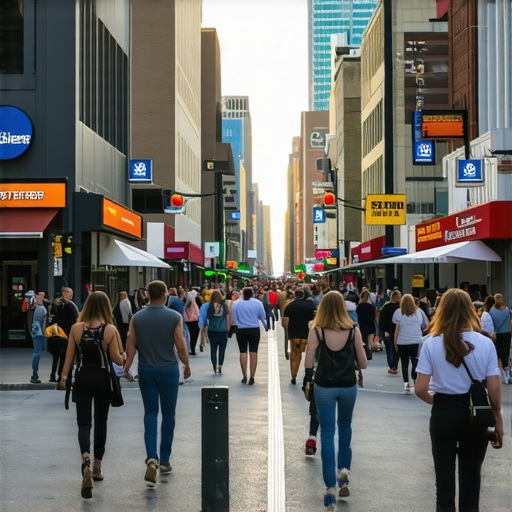
I remember the exact moment I realized my business was invisible on Indiana’s digital map landscape. It was a busy Thursday afternoon, and I had just lost a potential client who couldn’t find my storefront despite searching for local services. Frustrating, right? That lightbulb moment made me realize I was missing the boat entirely. For months, I blamed algorithms, competition, or luck. But then I learned that with the right Fort Wayne local SEO strategies, I could turn things around and dominate Indiana maps by 2025.
Why Local SEO in Fort Wayne Can’t Be Ignored Any Longer
It’s no secret that the majority of local customers search online before visiting a business. In fact, Google reports that nearly 76% of people who search on their smartphones visit a business within a day, emphasizing the critical importance of being visible on Google My Business (GMB) and local maps. If you’re relying solely on traditional marketing, you’re already falling behind. Implementing effective local SEO tactics is essential to stand out amid fierce competition, especially in vibrant markets like Fort Wayne.
Facing Doubts: Is Local SEO Really Worth the Hype?
Early on, I made the mistake of believing that setting up a GMB profile was enough. But I quickly learned that without consistent updates, optimized descriptions, and strategic backlinks, my listing remained buried. According to a study by BrightLocal, 86% of consumers use Google to find local businesses, yet many overlook the importance of ongoing optimization. If you’re skeptical about investing time and effort, ask yourself: What’s worse — pouring into a proven strategy or watching competitors climb the rankings while you stay hidden? Let me tell you—proper local SEO is not a quick fix, but a steady growth process. Want to see how I boosted my rankings? Check out some proven tactics at [Fort Wayne Local SEO](https://fortwaynelocalseo.com/fort-wayne-local-seo-proven-tips-to-boost-indiana-maps-rankings). Now, let’s dive into the first steps to take control of Indiana maps in 2025.
Claim Your GMB Listing and Optimize It
First, ensure your Google My Business (GMB) profile is claimed and verified. Think of your GMB listing as your digital storefront; the more complete and accurate it is, the easier it is for customers and maps to find you. Add your correct business name, address, phone number, and categories relevant to Fort Wayne. When I did this for my local bakery, I initially missed the category details, but after correcting and verifying, I saw a noticeable uptick in local search visibility. To deepen your GMB setup, incorporate high-quality images, accurate hours, and a compelling description, which significantly boost your chances of ranking higher [see proven tips here](https://fortwaynelocalseo.com/fort-wayne-local-seo-proven-tips-to-boost-indiana-maps-rankings).
Harness Local Keywords for Your Business Niche
Next, research keywords specific to Fort Wayne and your industry. Use tools or simply Google autocomplete to find what locals search for. For example, instead of generic “plumbing services,” optimize with “emergency plumber in Fort Wayne.” Incorporate these keywords naturally into your GMB description, website metadata, and business content. I once added long-tail keywords like “best family dentist in Fort Wayne,” and it improved my local rankings quickly. Considering the competitive nature of Indiana maps, targeted keywords are like GPS coordinates guiding customers directly to your business [check out strategic keyword tips](https://fortwaynelocalseo.com/effective-fort-wayne-local-seo-strategies-to-rank-higher-in-indiana-maps).
Build Local Citations and Consistent NAP Data
Build citations on local directories and ensure your Name, Address, Phone Number (NAP) are consistent everywhere. Think of citations as digital footprints leading back to your GMB profile. I found that inconsistent data—like a mismatched address—confused Google and hampered my rankings. Start with major local directories in Fort Wayne, such as Yelp, Bing Places, and industry-specific sites. Once your citations are uniform, Google perceives your business as trustworthy and authoritative, boosting your map rankings [see local citation strategies](https://fortwaynelocalseo.com/fort-wayne-local-seo-top-strategies-for-indiana-maps-rankings).
Gather and Manage Customer Reviews
Encourage satisfied customers to leave reviews on your GMB profile. Think of reviews as social proof that signals credibility to Google’s algorithm—like word-of-mouth amplified online. I personally requested reviews after completing services, and within weeks, my profile’s visibility surged. Address all reviews professionally, even negative ones, to demonstrate engagement. Regularly managing reviews reinforces your local presence and can significantly influence your Indiana map rankings [learn review management best practices](https://fortwaynelocalseo.com/fort-wayne-local-seo-effective-strategies-for-indiana-maps-ranking).
Keep Content Fresh and Engage Locally
Post updates, offers, or news related to Fort Wayne regularly on your GMB and website. Fresh content signals activity and relevance, making your profile more appealing to both users and Google’s rankings. I once shared weekly tips for Fort Wayne residents, which resulted in more local engagement and better map positioning. Utilize local landmarks, events, or seasonal updates to resonate with residents, and consistently update your business info to stay current [see content strategies here](https://fortwaynelocalseo.com/indiana-maps-and-navigation-top-strategies-for-google-business-success-in-fort-wayne).
Develop Local Backlinks and Partnerships
Acquire backlinks from Fort Wayne-based websites, community groups, or industry associations. Backlinks act as endorsements—think of them as references in a recommendation letter—improving your authority in local SERPs. I collaborated with local charities and events, securing backlinks and increasing my business’s trustworthiness, which reflected in improved Indiana maps rankings. Focus on quality over quantity, and aim for links from reputable local sources [see backlink tactics](https://fortwaynelocalseo.com/fort-wayne-local-seo-effective-strategies-for-indiana-maps).
Monitor Performance and Adjust Tactics
Use insights from GMB and analytics tools to track your rankings, website traffic, and customer interactions. Think of this step as taking a GPS checkpoint—if you’re not tracking, you won’t know which routes are effective. I regularly checked my analytics and refined my keywords and content, leading to steady improvements. Consistent monitoring and adjustment are crucial to stay ahead in the competitive Indiana map space [see tracking tips](https://fortwaynelocalseo.com/indiana-maps-google-business-optimization-in-fort-wayne).
Many local businesses in Fort Wayne and across Indiana believe they understand GMB optimization, but these misconceptions can lead to costly mistakes. One widespread myth is that simply claiming and verifying your Google My Business profile guarantees top rankings. In reality, ongoing optimization, relevance, and reputation management are crucial. Another false belief is that phone number consistency alone will catapult you to the top; however, citation accuracy must be paired with high-quality backlinks and engaging content to truly move the needle. Many assume that reviews are just for social proof, but reviews also influence local rankings significantly, especially when combined with rapid response and review management tactics. It’s also common to think that local SEO is only about keywords and citations, neglecting the importance of local backlinks, mobile-friendly site design, and user engagement signals.
A nuanced point often overlooked is the role of Google’s evolving algorithms. According to local SEO expert Joy Hawkins, local search ranking factors now weigh user experience metrics and engagement more heavily than ever before, making it essential for businesses to optimize for actual customer interactions, not just search queries. Relying solely on outdated tactics can cause your business to lag behind competitors who adapt to these shifts. I’ve seen businesses focus heavily on keyword stuffing or fake reviews, which not only violate Google’s guidelines but also risk penalization, undermining efforts to rank locally. That’s why developing a holistic, authentic local SEO strategy—combining Google My Business optimization, reputation management, local content, and strategic partnerships—is key. For a deep dive into advanced tactics, consider reviewing proven strategies at [Fort Wayne Local SEO](https://fortwaynelocalseo.com/fort-wayne-local-seo-proven-tips-to-boost-indiana-maps-rankings).
So, are you falling prey to these common myths? Or is your local SEO strategy built on a solid, up-to-date foundation? Let me know in the comments! And remember, understanding the real nuances behind Google My Business and Indiana maps ranking can make the difference between obscurity and local dominance.
Keep It Working: Tools I Recommend for Local SEO Success in Indiana
Maintaining a top position on Indiana maps and Google My Business requires not just effort but also the right set of tools to streamline and monitor your progress. Over the years, I’ve tested and adopted several effective solutions that help me stay ahead of the competition in Fort Wayne and beyond. These tools are instrumental in tracking rankings, managing reviews, and optimizing listings efficiently.
Why Use Specialized Software for Local SEO?
Local SEO is dynamic, with frequent algorithm updates and evolving best practices. Relying on manual efforts alone can lead to missed opportunities or overlooked issues. That’s why I emphasize integrating dedicated software that offers detailed insights, automation, and scalability.
My Top Recommendations
First, manage your Google Business profile with tools like Chirpy.ai or GMB.ai. These platforms automate review requests, monitor your GMB insights, and help you respond promptly to customer reviews—crucial for reputation management and ranking stability. For keyword tracking, I recommend Serpstat or AccuRanker. They allow me to monitor local rankings across multiple phrases and locations, ensuring my strategies adapt to changes. Additionally, for citation consistency, I leverage Moz Local to audit and update NAP data across directories.
To analyze and optimize website content for local SEO, I use SEMrush’s local SEO toolkit, which offers competitor analysis, site audits, and keyword opportunities tailored for Indiana businesses. Incorporating these tools into my routine has significantly improved long-term stability and growth.
How Do I Maintain My GMB and Map Rankings Over Time?
Consistent management is key. Regularly update your GMB profile with fresh images, posts, and accurate info. Use tools like BrightLocal to track review patterns and identify negative feedback early. Schedule weekly check-ins to audit citations and ensure NAP consistency—an experiment I documented in this detailed guide. For ongoing tracking of your rankings, set up automated alerts with tools like Rank Ranger, which notify you of significant changes so you can act swiftly. Remember, local SEO is a marathon, not a sprint. Regularly analyzing data and adjusting your tactics keeps you resilient against algorithm shifts and competitors’ moves.
Pro tip: Continuously refine your content strategy based on insights from these tools, especially focusing on locally relevant keywords and reviews. For instance, integrating recent customer feedback into your service descriptions can boost relevance and rankings—something this resource recommends for sustained growth.
Experiment with setting up a monthly dashboard that consolidates data from your chosen tools. This habit keeps your efforts organized and prioritizes tasks effectively. Remember, Google’s algorithm emphasizes engagement signals; consistent review management and content updates foster these signals naturally. For a step-by-step approach tailored to Fort Wayne’s market, explore the comprehensive strategies found here. Take action today by testing one of these advanced tools and see firsthand how precise monitoring can unlock new levels of local visibility.
The Hardest Lessons I Learned About gmb indiana,google business fort wayne,indiana maps ranking,fort wayne local seo,seo indiana
One pivotal moment was realizing that no matter how beautiful my website was, if my GMB profile wasn’t optimized, my business remained invisible. That insight taught me the importance of continuous engagement and not resting on initial setup. I also learned that blindly following generic SEO advice won’t cut it; understanding local nuances made all the difference. Lastly, I discovered that genuine customer interactions, especially reviews, carry more weight than I ever imagined, essentially becoming trust signals that could tip the map rankings in my favor.
My Go-To Tools for Mastering Local Search in Indiana
To truly dominate Indiana maps, I rely on tools like Chirpy.ai, which streamlines review management; Serpstat for targeted keyword tracking; and Moz Local to ensure citation consistency. These resources have been game-changers, helping me analyze, refine, and elevate my local SEO strategy with confidence. Incorporating these tools into your routine can empower you to make data-driven decisions and measure your progress effectively.
Taking Action in a World That Won’t Wait
Your journey to local SEO mastery in Indiana begins now. Embrace the complexities, stay consistent, and leverage proven strategies to carve out your space on the map. The opportunity is vast, but only if you act with purpose today. Remember, every small optimization adds up to a bigger presence—so why not start today and turn those invisible maps into your business highway?
What’s the biggest obstacle you face in improving your Indiana maps rankings? Let me know below—I’d love to hear your story and help you overcome it.
}}#}#}#}#}#}#}#}#}#}#}#}#}#}#}#}#}#}#}#}#}#}#}#}#}#}#}#}#}#}#}#}#}#}#}#}#}#}#}#}#}#}#}#}#}#}#}#}#}#}#}#}#}#}#}#}#}#}#}#}#}#}#}#}#}#}#}#}#}#}#}#}#}#}#}#}#}#}#}#}#}#}#}#}#}#}#}#}#}#}#}#}#}#}#}#}#}#}#}#}#}#}#}#}#}#}#}#}#}#}#}#}#}#}#}#}#}#}#}#}#}#}#}#}#}#}#}#}#}#}#}#}#}#}#}#}#}#}#}#}#}#}#}#}#}#}#}#}#}#}#}#}#}#}#}#}#}#}#}#}#}#}#}#}#}#}#}#}#}#}#}#}#}#}#}#}#}#}#}#}#}#}#}#}#}#}#}#}#}#}#}#}#}#}#}#}#}#}#}#}#}#}#}#}#}#}#}#}#}#}#}#}#}#}#}#}#}#}#}#}#}#}#}#}#}#}#}#}#}#}#}#}#}#}#}#}#}#}#}#}#}#}#}#}#}#}#}#}#}#}#}#}#}#}#}#}#}#}#}#}#}#}#}#}#}#}#}#}#}#}#}#}#}#}#}#}#}#}#}#}#}#}#}#}#}#}#}#}#}#}#}#}#}#}#}#}#}#}#}#}#}#}#}#}#}#}#}#}#}#}#}#}#}#}#}#}#}#}#}#}#}#}#}#}#}#}#}#}#}#}#}#}#}#}#}#}#}#}#}#}#}#}#}#}#}#}#}#}#}#}#}#}#}#}#}#}#}#}#}#}#}#}#}#}#}#}#}#}#}#}#}#}#}#}#}#}#}#}#}#}#}#}#}#}#}#}#}#}#}#}#}#}#}#}#}#}#}#}#}#}#}#}#}#}#}#}#}#}#}#}#}#}#}#}#}#}#}#}#}#}#}#}#}#}#}#}#}#}#}#}#}#}#}#}#}#}#}#}#}#}#}#}#}#}#}#}#}#}#}#}#}#}#}#}#}#}#}#}#}#}#}#}#}#}#}#}#}#}#}#}#}#}#}#}#}#}#}#}#}#}#}#}#}#}#}#}#}#}#}#}#}#}#}#}#}#}#}#}#}#}#}#}#}#}#}#}#}#}#}#}#}#}#}#}#}#}#}#}#}#}#}#}#}#}#}#}#}#}#}#}#}#}#}#}#}#}#}#}#}#}#}#}#}#}#}#}#}#}#}#}#}#}#}#}#}#}#}#}#}#}#}#}#}#}#}#}#}#}#}#}#}#}#}#}#}#}#}#}#}#}#}#}#}#}#}#}#}#}#}#}#}#}#}#}#}#}#}#}#}#}#}#}#}#}#}#}#}#}#}#}#}#}#}#}#}#}#}#}#}#}#}#}#}#}#}#}#}#}#}#}#}#}#}#}#}#}#}#}#}#}#}#}#}#}#}#}#}#}#}#}#}#}#}#}#}#}#}#}#}#}#}#}#}#}#}#}#}#}#}#}#}#}#}#}#}#}#}#}#}#}#}#}#}#}#}#}#}#}#}#}#}#}#}#}#}#}#}#}#}#}#}#}#}#}#}#}#}#}#}#}#}#}#}#}#}#}#}#}#}#}#}#}#}#}#}#}#}#}#}#}#}#}#}#}#}#}#}#}#}#}#}#}#}#}#}#}#}#}#}#}#}#}#}#}#}#}#}#}#}#}#}#}#}#}#}#}#}#}#}#}#}#}#}#}#}#}#}#}#}#}#}#}#}#}#}#}#}#}#}#}#}#}#}#}#}#}#}#}#}#}#}#}#}#}#}#}#}#}#}#}#}#}#}#}#}#}#}#}#}#}#}#}#}#}#}#}#}#}#}#}#}#}#}#}#}#}#}#}#}#}#}#}#}#}#}#}#}#}#}#}#}#}#}#}#}#}#}#}#}#}#}#}#}#}#}#}#}#}#}#}#}#}#}#}#}#}#}#}#}#}#}#}#}#}#}#}#}#}#}#}#}#}#}#}#}#}#}#}#}#}#}#}#}#}#}#}#}#}#}#}#}#}#}#}#}#}#}#}#}#}#}#}#}#}#}#}#}#}#}#}#}#}#}#}#}#}#}#}#}#}#}#}#}#}#}#}#}#}#}#}#}#}#}#}#}#}#}#}#}#}#}#}#}#}#}#}#}#}#}#}#}#}#}#}#}#}#}#}#}#}#}#}#}#}#}#}#}#}#}#}#}#}#}#}#}#}#}#}#}#}#}#}#}#}#}#}#}#}#}#}#}#}#}#}#}#}#}#}#}#}#}#}#}#}#}#}#}#}#}#}#}#}#}#}#}#}#}#}#}#}#}#}#}#}#}#}#}#}#}#}#}#}#}#}#}#}#}#}#}#}#}#}#}#}#}#}#}#}#}#}#}#}#}#}#}#}#}#}#}#}#}#}#}#}#}#}#}#}#}#}#}#}#}#}#}#}#}#}#}#}#}#}#}#}#}#}#}#}#}#}#}#}#}#}#}#}#}#}#}#}#}#}#}#}#}#}#}#}#}#}#}#}#}#}#}#}#}#}#}#}#}#}#}#}#}#}#}#}#}#}#}#}#}#}#}#}#}#}#}#}#}#}#}#}#}#}#}#}#}#}#}#}#}#}#}#}#}#}#}#}#}#}#}#}#}#}#}#}#}#}#}#}#}#}#}#}#}#}#}#}#}#}#}#}#}#}#}#}#}#}#}#}#}#}#}#}#}#}#}#}#}#}#}#}#}#}#}#}#}#}#}#}#}#}#}#}#}#}#}#}#}#}#}#}#}#}#}#}#}#}#}#}#}#}#}#}#}#}#}#}#}#}#}#}#}#}#}#}#}#}#}#}#}#}#}#}#}#}#}#}#}#}#}#}#}#}#}#}#}#}#}#}#}#}#}#}#}#}#}#}#}#}#}#}#}#}#}#}#}#}#}#}#}#}#}#}#}#}#}#}#}#}#}#}#}#}#}#}#}#}#}#}#}#}#}#}#}#}#}#}#}#}#}#}#}#}#}#}#}#}#}#}#}#}#}#}#}#}#}#}#}#}#}#}#}#}#}#}#}#}#}#}#}#}#}#}#}#}#}#}#}#}#}#}#}#}#}#}#}#}#}#}#}#}#}#}#}#}#}#}#}#}#}#}#}#}#}#}#}#}#}#}#}#}#}#}#}#}#}#}#}#}#}#}#}#}#}#}#}#}#}#}#}#}#}#}#}#}#}#}#}#}#}#}#}#}#}#}#}#}#}#}#}#}#}#}#}#}#}#}#}#}#}#}#}#}#}#}#}#}#}#}#}#}#}#}#}#}#}#}#}#}#}#}#}#}#}#}#}#}#}#}#}#}#}#}#}#}#}#}#}#}#}#}#}#}#}#}#}#}#}#}#}#}#}#}#}#}#}#}#}#}#}#}#}#}#}#}#}#}#}#}#}#}#}#}#}#}#}#}#}#}#}#}#}#}#}#}#}#}#}#}#}#}#}#}#}#}#}#}#}#}#}#}#}#}#}#}#}#}#}#}#}#}#}#}#}#}#}#}#}#}#}#}#}#}#}#}#}#}#}#}#}#}#}#}#}#}#}#}#}#}#}#}#}#}#}#}#}#}#}#}#}#}#}#}#}#}#}#}#}#}#}#}#}#}#}#}#}#}#}#}#}#}#}#}#}#}#}#}#}#}#}#}#}
![3 New Fort Wayne Local SEO Hacks for Instant Map Visibility [2026]](https://fortwaynelocalseo.com/wp-content/uploads/2026/02/3-New-Fort-Wayne-Local-SEO-Hacks-for-Instant-Map-Visibility-2026.jpeg)