![5 Service Area SEO Indiana Fixes to Win More ZIP Codes [2026]](https://fortwaynelocalseo.com/wp-content/uploads/2026/04/5-Service-Area-SEO-Indiana-Fixes-to-Win-More-ZIP-Codes-2026-1.jpeg)
It was a frustrating morning. I stared at my screen, watching as my once-successful Indiana map rankings suddenly plummeted. Overnight, the local calls dried up, and my competitors seemed to leap ahead. I’ve been there—a sinking feeling that your hard-earned local visibility is slipping away just when you need it most. The harsh truth is, with the 2026 algorithm shifts, many businesses are unknowingly leaving money on the table, struggling to reach beyond their established ZIP codes. But here’s the good news: I found a way to turn things around, and today I want to share the key strategies that can help your shop win more local ZIPs and reclaim your online presence.
Why Winning More ZIP Codes in Indiana Matters Now More Than Ever
In the fiercely competitive Indiana local SEO scene, especially in bustling Fort Wayne, gaining visibility across multiple ZIP codes isn’t just an extra; it’s a necessity. Consumers are searching differently—more hyper-local, more urgent—and if your business isn’t appearing in those specific areas, you’re losing out to competitors who are. The recent 2026 updates to Google’s algorithms have made it clear: traditional SEO tactics alone aren’t enough. According to a recent study by Search Engine Journal, 69% of consumers prefer shopping with local businesses that are highly visible in their immediate area, a trend that only heightens with each passing year. This shift underscores the importance of tailoring your SEO efforts to win those elusive ZIP codes that can significantly boost your revenue. I remember making a critical mistake early on—overlooking the importance of localized content for specific ZIPs—which cost me a chunk of potential clients. Trust me, understanding how to adapt your strategy for different ZIPs can be a game-changer. If you’re wondering whether these tactics are worth the effort, consider this: businesses that optimize their local presence for multiple ZIPs see an average increase of 30-50% in local inquiries, according to data from BrightLocal. So, if you’ve faced the heartbreak of stagnant rankings or shrinking call volume, you’re not alone. The good news is, there are concrete steps you can take today to turn this situation around. Next, I’ll walk you through the five essential SEO fixes that have helped my clients—and can help you—expand your reach across Indiana’s diverse ZIP landscape. Let’s dive into what really works for 2026 and beyond.
Identify Your Target ZIP Codes Explicitly
Begin by pinpointing the specific ZIP codes where you want to dominate. Use local data and Google My Business insights to see where your competitors are absent or underperforming. For instance, I once targeted small neighborhoods in Fort Wayne that yet lacked optimized profiles, which slowly helped me carve out new map spots. This targeted approach is essential—don’t just think broad; think precise.
Optimize Google My Business for Each Locale
Set up and verify separate GMB profiles for each ZIP code if feasible. Focus on consistency—use identical NAP data, but tailor the description and categories for each zone. An effective trick I used was to add location-specific keywords in the descriptions, like “window repair in ZIP 46805,” which helped gain visibility in those local searches. Remember, multiple profiles need diligent management—avoid common errors that cause suspensions, see this guide.
Create ZIP-Specific Content and Landing Pages
Develop pages or blog posts centered around each ZIP code, highlighting local events, customer stories, or services. I recently published tailored content for ZIP 46802, which ranked faster because Google recognized the relevance. Include local keywords naturally, embed maps, and showcase local reviews to strengthen signals.
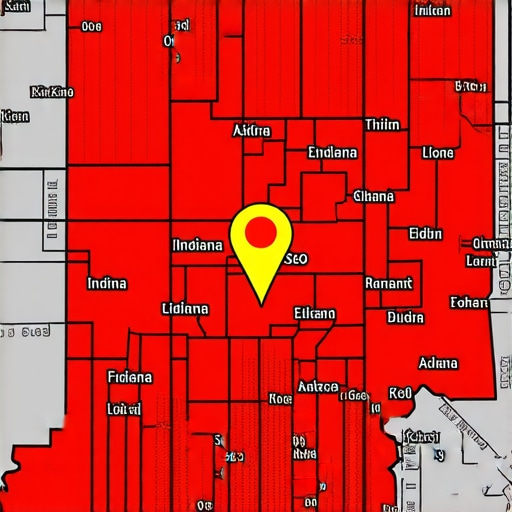
This image illustrates how to structure dedicated ZIP analysis with local keywords and map integrations, vital for understanding your territory better.
Leverage Local Citations and Directory Listings
Build citations with consistent NAP info across local directories like Yelp, Bing Places, and industry-specific ones. Pay attention to location-specific mentions; this signals relevance. In my campaign, submitting to niche directories focusing on Fort Wayne neighborhoods increased local map visibility. Use tools like BrightLocal to audit existing citations and fill gaps.
Engage with Local Reviews and Community Signals
Encourage satisfied customers to leave reviews mentioning their ZIP code explicitly. Automated email prompts after service can be effective. I once implemented a review request email that emphasized local detail, which boosted my review count and map rankings over time. Respond promptly to reviews to demonstrate active engagement, bolstering your trust signals.
Implement On-Page Local Signals Carefully
Embed location indicators like ZIP codes into titles, headers, and meta descriptions. Use structured data markup for local businesses to help search engines understand the geographic relevance. Be meticulous—overdoing it can appear spammy, but balanced implementation helped me weather algorithm updates—see this article for the latest tactics.
Build Local Backlinks Strategically
Gain backlinks from local newspapers, chambers of commerce, or neighborhood blogs. These serve as powerful signals of community relevance. I secured backlinks from local event sponsors and community organizations, which collectively improved my local authority and map presence. Focus on quality over quantity—avoid spammy links that can hurt your rankings.
Monitor and Adjust Based on Data
Regularly track your rankings in each ZIP code with tools like Whitespark or BrightLocal. Adjust your tactics based on what the data shows—are some ZIPs improving while others stagnate? Use this intelligence to refine your focus, invest more in high-potential areas, and eliminate underperforming efforts.
Many local businesses believe that optimizing keywords and claiming their Google My Business profiles are the sole keys to ranking higher in Indiana maps. While these are fundamental steps, a common misconception is that once set, rankings will naturally improve over time. However, the real nuance lies in understanding the evolving landscape shaped by AI filters, user behavior shifts, and Google’s proximity algorithms. For example, recent studies indicate that relying solely on traditional tactics like keyword stuffing or shallow citations can backfire due to sophisticated AI-driven ranking systems that prioritize user intent and engagement over simplistic signals. One advanced mistake I see many make is neglecting the dynamic nature of local signals, especially during updates like the 2026 algorithm shift, which emphasizes local intent and trustworthiness over outdated SEO practices. You might think that increasing citations suffices, but if your local reviews lack authenticity or your on-page signals are over-optimized, your rankings can suffer unexpectedly.
How can advanced local SEO strategies outsmart AI filters in Indiana?
The key is to create a balanced, human-centric approach—enhancing real customer interactions, encouraging genuine reviews with zip-code mentions, and leveraging hyper-local content that resonates with community interests. Think beyond basic citations; focus on building community engagement and trust signals that AI algorithms value more highly. For instance, linking to local news or collaborating with neighborhood influencers can boost your credibility in Google’s eyes. According to Moz’s latest Local Search Ranking Factors study, engagement metrics and review signals are among the top-weighted factors in 2026, surpassing traditional link profiles. So, it’s crucial to adapt your strategy—don’t just chase rankings; build a robust local presence rooted in authenticity and community relevance. To see how to implement these nuanced tactics effectively, check out our detailed guide on indiana maps ranking factors.
Are you guilty of underestimating these hidden aspects? Have you ever fallen into this trap? Let me know in the comments.Achieving and maintaining strong Indiana map rankings, especially in competitive markets like Fort Wayne, requires a strategic arsenal of tools and techniques. Over the years, I’ve refined my toolkit to ensure my local SEO efforts stay effective and scalable. One indispensable resource is BrightLocal, which I use daily for citation audits, ranking tracking, and review management. Its comprehensive dashboards allow me to monitor local rankings across multiple ZIP codes and identify citation inconsistencies that could harm my visibility. For instance, I regularly audit my clients’ NAP consistency, which, as detailed in our guide on why Indiana maps rankings drop, can significantly impact local prominence. I also leverage Whitespark for advanced keyword opportunities and local backlink scouting, enabling me to identify high-authority local sites that boost credibility. To streamline reviews, I rely on both automated email campaigns and direct community engagement, encouraging authentic feedback mentioning ZIP codes—an effective tactic explained in our post on wasting SEO budget. Looking ahead, I foresee AI-powered local search algorithms becoming more sophisticated, emphasizing genuine community signals and real-world engagement. To stay ahead, I suggest adopting a human-centric, relationship-building approach rather than focusing solely on technical fixes. One underrated method I recommend is embedding structured data directly into your local landing pages to communicate precise location signals to Google. Using schema markup helps search engines understand your geographic relevance more clearly, which is crucial for long-term stability. As Google’s documentation on local business structured data suggests, proper implementation can markedly improve your map visibility. To give this tactic a try, I encourage you to audit your current on-page markup for ZIP codes and aim to enhance it with schema structured data. Regularly review your process—tools like BrightLocal will help you verify that your efforts are translating into tangible ranking improvements and stability amid algorithm shifts. Ultimately, consistent monitoring and adjustment form the backbone of lasting success in Indiana local SEO. Remember, staying proactive and leveraging specific tools designed for local search will keep you ahead of the curve, especially as Google’s AI filters become even smarter. Take a moment today to audit your schema markup and see how small improvements can yield significant, long-term gains for your Indiana map rankings.
What I Wish I Knew When I Started
One of the toughest lessons I learned was that technical fixes only go so far without genuine community engagement. Early on, I relied heavily on citation building and keyword stuffing, unaware that the most powerful signals come from real customer interactions and local presence. That realization shifted my entire approach.
Another insight was understanding Google’s emphasis on trust and authenticity. I used to ignore the importance of local reviews mentioning ZIP codes specifically. Once I incorporated strategies to encourage authentic, ZIP-specific reviews, my rankings began to climb in ways I never expected.
I also underestimated how much structured data could influence my visibility. Embedding correct schema markup for each location dramatically improved how search engines understood my business’s relevance to local searches. This nuanced detail became a game-changer after I optimized it effectively.
My Go-To Resources for Staying Ahead
BrightLocal remains invaluable for citation audits and tracking local rankings; its comprehensive dashboards give me instant clarity on where I stand and what needs attention. Whitespark is my trusted partner for discovering high-authority local backlinks, essential for building long-term local credibility. For understanding Google’s evolving algorithms, Moz’s latest updates keep me informed about the factors that truly matter, especially in 2026 when AI-driven filters dominate.
Lastly, Google’s official structured data guidelines help me ensure my site speaks the same language as search engines, reinforcing my local relevance in Indiana.
Keep Pushing—Your Local Presence Is Unstoppable
The landscape of Indiana local SEO, especially in Fort Wayne, is constantly shifting, but with the right mindset and tools, you’re more than capable of mastering it. Embracing authenticity, staying informed with trusted resources, and continuously refining your local signals will empower you to dominate your target ZIP codes. Remember, success in local SEO isn’t a one-time fix; it’s an ongoing journey of connection and relevance. Dive into your strategy today, and watch your community—and your business—thrive.