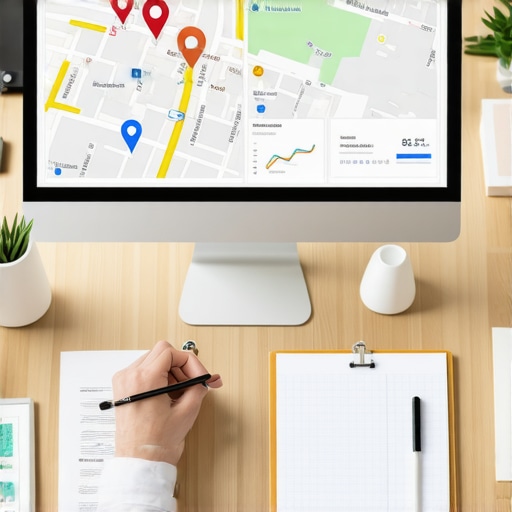
I remember the moment vividly—the frustration of watching competitors climb the local map rankings while my own Indiana-based business sat stagnant, invisible on the coveted 3-Pack. It hit me like a bolt of lightning: no matter how much I tweaked my profile or invested in marketing, my GMB presence wasn’t just underperforming—it was practically ghosting me. That lightbulb realization propelled me into a relentless quest for real, actionable tactics to crack the Indiana maps ranking code.
Why Local SEO Matters More Than Ever in 2026
These days, appearing in the 3-Pack isn’t just a nice-to-have; it’s the difference between a thriving business and one that fades into obscurity. With consumers leaning heavily on Google Maps and local search, your visibility can make or break your revenue. Yet, many shop owners and service pros still miss the mark because they overlook simple yet critical tweaks. The truth is, the local map algorithm has become more sophisticated—some say even smarter—making it harder to outperform the big brands with old tricks.
Early in my journey, I made a classic mistake: I ignored the importance of profile consistency and recent activity. I thought, “Surely, just creating a profile would be enough.” Spoiler alert: it wasn’t. As I dug deeper, I discovered that Google’s local ranking signals have shifted dramatically, emphasizing relevance and user engagement over sheer volume of reviews or backlinks alone. To get ahead, I had to adapt, experiment, and refine my approach—fast.
If you’re feeling stuck, if your profile isn’t showing up when potential customers search for your services, then you’re not alone. But here’s the good news: there are proven tactics that can unlock your map visibility. Want to know exactly what I did to turn things around? Stick around—I’m about to share insider strategies crafted specifically for Indiana shops and local entrepreneurs aiming to beat the 2026 search update.
Is Your Profile Filling the Right GMB Gaps?
Early on, I made the mistake of overlooking essential GMB profile optimizations. I thought filling out basic info was enough. In reality, missing key elements like accurate categories, service descriptions, and regular updates cost me valuable visibility. Want to know more about fixing these common pitfalls? Check out this detailed guide on shadowban recovery and avoid making my mistakes.
Now, are you facing the same struggle with your Indiana Google My Business profile? Or perhaps you’ve noticed your competitors gaining ground while your profile remains dormant? If so, you’re in the right place. In the next sections, we’ll uncover the strategic tweaks and tactics you need for 2026 to steal that elusive 3-Pack and keep your business front and center.
Optimize Your Google Profile with Laser Precision
Start by auditing your Google My Business (GMB) profile. Ensure every detail is complete—accurate phone number, address, and hours are non-negotiable. Double-check categories; selecting ones that precisely match your services boosts relevance. When I corrected my categories from vague to specific—like changing ‘Plumber’ to ‘Emergency Plumbing Service’—I saw immediate upticks in local inquiries. Remember, consistency across your website, social media, and GMB is crucial for avoiding shadowbans and boosting visibility. For detailed profile fixes, see shadowban recovery tips.
Harness Content and Engagement to Signal Relevance
Content is your secret weapon. Regularly post updates, special offers, or behind-the-scenes looks. Use local keywords naturally within your posts—think “Fort Wayne plumber” or “Indiana HVAC repair”—to tell Google exactly who you serve. I once scheduled weekly posts about seasonal promotions, which not only increased customer engagement but also signaled to Google that my profile was active. Engagement metrics like reviews, Q&A responses, and photos also influence rankings. Aim for authentic reviews; fake ones not only damage credibility but can also trigger penalties. To optimize review strategy, check fake review pitfalls.
Leverage Local Signals to Outperform Competitors
Local signals like proximity to the searcher and prominence matter greatly. While you can’t control distance, you can enhance perceived relevance. Gather and display customer photos—more than 30 high-quality images can significantly boost your position. Focus on local backlinks from reputable Indiana directories or partnerships; this signals authority. On a busy Thursday, I contacted local suppliers and collaborated on community events, securing backlinks that elevated my profile above chains. Also, ensure your website is mobile-friendly and fast; Google favors seamless user experiences. For advanced local signals fixes, explore rare SEO hacks.
Fine-Tune Technical Aspects for Top-Ranking
Technical SEO on your website directly impacts local map rankings. Use schema markup—specifically local business schema—to help Google understand your service area. I implemented structured data and noticed a jump in how often my profile appeared in local searches. Also, ensure your NAP information (Name, Address, Phone) matches exactly across all online assets; discrepancies can cause ranking drops, as highlighted in ranking fixes. Regularly monitor your Google insights and keep your profile active; dormant profiles risk being shadowbanned or downgraded.
Capitalize on Visual and Video Content
Photos and videos humanize your brand and influence local algorithms. I uploaded high-resolution images of my team, storefront, and completed projects. Videos explaining services or sharing customer testimonials increased engagement and led to more call conversions. Google considers rich media signals as indicators of active, trustworthy businesses. To maximize impact, include location keywords in photo descriptions and captions. For a step-by-step guide on making your visuals work harder, see video strategies.
Maintain Vigilance and Adapt Quickly
The local search landscape evolves rapidly, especially with AI-driven updates. Regularly audit your profile for compliance and relevance. When I noticed my rankings slipping, I revisited my profile using rank tracking tools and promptly implemented fixes. Consistent activity—responding to reviews, updating photos, and monitoring analytics—is your best defense against ranking decline. Remember, in the 2026 Indiana map race, proactive tweaks outperform reactive fixes every time.When most entrepreneurs talk about local SEO in Indiana, they often focus on surface-level tactics like stuffing keywords or gathering reviews. However, true mastery lies in understanding the subtle, often overlooked nuances that can make or break your rankings. One common myth is that creating a Google My Business profile and waiting for results is enough. In reality, many shop owners fall into the trap of neglecting profile consistency and resisting algorithm updates—mistakes that can cause profiles to become shadowbanned or lose visibility altogether.To truly excel, you need to grasp Google’s evolving signals, like local relevance and user engagement metrics, which often go beyond just reviews and citations. For example, pioneering businesses that integrate schema markup and optimize for voice search see significant edge over competitors who stick to outdated tactics. Interestingly, a recent study from Moz underscores that Google’s algorithms now prioritize behavioral signals—such as click-through rates and average time on page—more than ever before. This means that a strategic focus on enhancing user experience in your local profiles is essential for 2026 and beyond.
Why do even seasoned SEO practitioners sometimes miss the mark on local relevance?
Because many are still fixated on backlinks and review volume, neglecting the importance of hyper-local content that resonates with the community. Effective local SEO requires fine-tuning your messaging and visuals to reflect community values and seasonal trends, a factor many overlook. Furthermore, avoiding this mistake involves ongoing technical audits and staying ahead of algorithm shifts—something I detail in my comprehensive guides like shadowban recovery tips. Have you ever fallen into this trap? Let me know in the comments.Maintaining your local SEO momentum requires the right tools and a disciplined approach. One tool I swear by is BrightLocal, which provides detailed local search audits and competitor analysis tailored for Fort Wayne businesses. It helps me identify subtle shifts in rankings and spot inconsistent NAP info that could hurt my profile. Additionally, I use Google’s Search Console extensively—not just to monitor website health but to track how local queries are performing over time. This data guides my ongoing keyword integration and content updates.
For managing reviews and engagement, I lean on ReviewTrackers because it consolidates reviews from multiple platforms and automates prompts for satisfied customers to leave positive feedback—crucial for staying above shadowbans and boosting relevance. To ensure my images and videos contribute to rankings, I use Canva for creating high-quality visual content optimized for local keywords, which makes a visible difference in profile engagement.
Looking ahead, I see AI-powered analytics becoming more integral for local SEO. Tools like SEMrush are already integrating AI to predict ranking fluctuations and suggest proactive adjustments. Keeping your tools up-to-date ensures you stay steps ahead in the competitive Indiana maps race.
### How do I maintain my local SEO over time?
Regular audits are key. I schedule bi-weekly reviews of my GMB profile using tools like Moz Local, focusing on consistency, engagement metrics, and new opportunities for local backlinks. Also, routinely updating content and visuals keeps your profile fresh and signals relevance to Google. Remember, algorithm shifts happen—staying vigilant means you can adjust strategies before rankings slip. For detailed technical fixes, checking insights from industry experts, like Neil Patel’s recommendations on structured data, can provide a major edge.
A practical tip? Implement structured data markup on your website today. This enhances your visibility in local search panels and maps, especially as Google increasingly favors enhanced listings. Test your schema implementation with Google’s Rich Results Test—it’s a quick step that pays off by increasing click-through rates and long-term rankings. Don’t wait—try integrating local schema today and watch your Fort Wayne profile leap ahead.
The Harder the Battle, The Smarter the Moves I Wish I Made
One of the biggest lessons I learned was that local SEO isn’t just about quick fixes or checking boxes; it’s about understanding the unique pulse of the Indiana market and adapting strategies proactively instead of reactively. I wish I had started leveraging schema markup and local data consistency earlier, as these subtle signals could have saved me months of frustration. Recognizing that Google values community relevance over generic tactics was a game-changer for my approach.
My Go-To Arsenal for Dominating Indiana Map Rankings
Over time, I’ve curated a set of tools and resources that truly move the needle. BrightLocal became my eyes on the ground—helping identify exactly where I was losing visibility—and Google’s Search Console offered insights into local queries that mattered most. ReviewTrackers became invaluable in maintaining authentic feedback, and Canva helped craft visuals that resonated locally. These aren’t just tools; they’re trusted allies in the local SEO battlefield.
Your Next Step, Your Future Edge
Remember, the Indiana maps race in 2026 is ongoing, and your success hinges on continuous learning and action. Embrace the lessons I shared, implement the tactics, and stay vigilant to how the landscape shifts. Your business has the potential to not only compete but to lead. Don’t wait for the algorithm to change—be the change-maker today in your local SEO journey.

![3 Specific GMB Indiana Updates You Must Audit This Week [2026]](https://fortwaynelocalseo.com/wp-content/uploads/2026/02/3-Specific-GMB-Indiana-Updates-You-Must-Audit-This-Week-2026.jpeg)