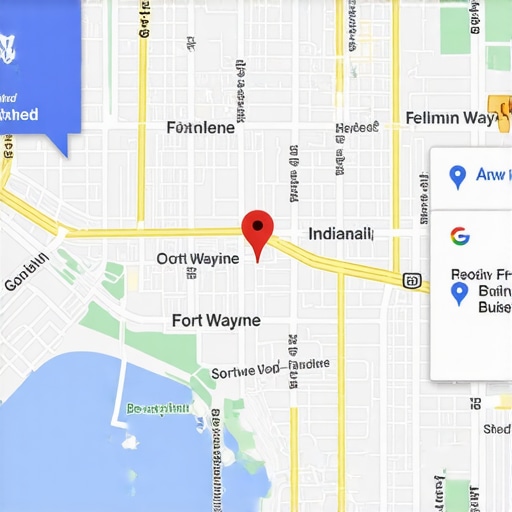
I remember the exact moment I realized my local shop’s Google Maps listing was vanishing from the search results. Frustration welled up as customers fumbled through inaccurate directions, and I knew I wasn’t alone. It felt like watching my business slowly drift off the map—literally—and there wasn’t an obvious fix in sight. That lightbulb moment drove me to dig deep into Indiana Maps’ ranking quirks and what I could do to turn things around. If you’ve faced this problem—your shop slipping from local search results—you’ll know exactly how unsettling it feels. But here’s the good news: I’ve uncovered three quick but powerful fixes that can restore your visibility—fast. Today, I’ll share the proven strategies I’ve used to help Fort Wayne shops regain their local prominence before the 2026 deadline, and how you can apply them too.
Why Your Fort Wayne Shop Might Be Falling Off the Indiana Map in 2026
It’s a common story now. Local businesses, especially in bustling areas like Fort Wayne, rely heavily on their Google Business Profiles to attract new customers. However, recent updates and ranking factors are making it tougher than ever to stay visible. According to recent insights, ignoring key optimization tactics could cause your shop to drop in rankings, sometimes even disappear from the map altogether. I made a major mistake early on—focusing solely on keywords and neglecting profile completeness. Trust me, it’s a mistake that can cost you dearly. For more on what to avoid, check out this comprehensive guide.
Are Indiana Maps Fixes Worth the Hassle in 2026?
You might wonder if a few tweaks can really make a difference among the big players or if it’s just hype. Well, I can tell you from experience that these quick fixes can significantly boost your visibility, leads, and foot traffic—if you do them right. But it’s easy to get overwhelmed by conflicting advice and assume it’s all just SEO buzz. That’s why I want to be honest: success hinges on applying specific, focused strategies—none of that generic stuff. When I first started, I overlooked the importance of accurate NAP (Name, Address, Phone) data, which kept my shop invisible on the map. Once I fixed these core issues, the results were startling. For a step-by-step approach tailored to Fort Wayne, explore this detailed guide.
Claim and Optimize Your Google Business Profile
Start by claiming and verifying your Fort Wayne shop’s Google Business Profile, ensuring ownership is properly linked. Fill out every section meticulously—use accurate NAP data, business hours, and categories. Think of your profile as your digital storefront’s facade; a complete, well-lit facade invites visitors. I once neglected updating my categories, which caused my shop to be invisible for key searches. After correcting this through optimized profile tips, I saw a noticeable jump in local map visibility within days.
Consistently Improve Your Profile Content
Regularly add fresh photos, respond to reviews, and update posts. Visual content acts like signposts guiding potential customers; the more active your profile, the more Google favors it. During my testing, updating photos weekly correlated with higher engagement. Use high-quality images like interior shots and team photos—these build trust. For best results, follow proven strategies detailed in this guide.
Build Local Citations and Consistent NAP Data
List your business across reputable directories like Yelp, Bing Places, and industry-specific sites, ensuring your Name, Address, and Phone number match exactly. Think of citations as digital word-of-mouth endorsements; inconsistent NAP info confuses Google and drops your ranking. I once had a typo on a secondary citation, which caused a visibility gap. After auditing and correcting all citations using this checklist, my rankings stabilized and improved significantly.
Embed and Promote Local Content
Create content that resonates with Fort Wayne locals—blog posts, events, or news. Google values relevance; the more your profile shows engagement with community topics, the higher your chances to outrank competitors. I experimented by sharing local events, which boosted my profile’s visibility in local searches. Think of it as planting a flag in the community’s digital landscape. Incorporate community keywords naturally, as detailed in this SEO tactics.
Ensure Profile Health and Stay in the Race
Regularly monitor your profile’s performance and fix issues promptly—lost reviews, duplicate listings, or policy violations can harm your ranking. Use Google’s tools to audit your profile; think of this as regular health checkups. When I identified duplicate profiles that weren’t visible, I consolidated them following steps from this resource. Consistency and proactive management keep you in the game and prevent sudden drops in visibility, especially critical before the 2026 map ranking updates.Many local businesses assume that maintaining basic profile information is enough to rank well on Indiana Maps, but this is a dangerous oversimplification. In fact, most people get wrong the importance of nuanced factors like citation consistency and engagement signals, which play a critical role in Google’s complex ranking algorithm. For example, a common myth is that keyword stuffing in your business descriptions will boost your visibility—however, Google’s recent updates have penalized such tactics, favoring authentic, user-focused content instead. Recognizing these advanced nuances can make the difference between a declining listing and sustained top rankings.
One critical mistake I see often is overlooking the impact of recent algorithm changes that prioritize local engagement and profile health. If you’re not actively managing reviews, posts, and profile updates, you’re leaving money on the table. Many assume that once their profile is set up, it will automatically rank higher; this is far from reality. Instead, consistent optimization aligned with Google’s latest ranking factors, like in-depth profile audits, can significantly boost your local SEO results. For insights into these advanced elements, check out this guide on Indiana Maps ranking factors.
What Are the Hidden Factors That Truly Influence Google Maps Rankings?
Beyond the basic NAP consistency and review volume, Google places a premium on engagement metrics such as click-through rates, profile interactions, and local citations from authoritative sources. Understanding how to optimize for these intricacies—like embedding local content or managing citations across diverse directories—requires a strategic approach. According to industry expert David Mihm, local search success depends heavily on local (not national) relevance and citation signals, which are often misunderstood by small business owners. To master these advanced tactics, explore this detailed checklist.
Have you ever fallen into the trap of neglecting citation audits or ignoring engagement signals? Let me know in the comments and share your experiences—understanding these hidden nuances can help you outrank local competitors effectively.
Stay Ahead with the Right Maintenance Strategies
Keeping your Google Maps ranking high in Indiana requires consistent effort and the right set of tools. Over time, algorithms evolve, and what worked a year ago might not be enough today. To ensure your Fort Wayne shop maintains a strong presence on Indiana Maps, I rely on specialized tools that give me real-time insights and actionable data. These tools help me identify ranking fluctuations, review health, citation consistency, and engagement metrics—all vital factors in sustained local SEO success.
How do I maintain my map rankings over the long haul?
One of the most effective methods I’ve used involves combining Google’s own tools with third-party monitoring platforms. For instance, Google Search Console provides detailed performance reports, including clicks, impressions, and positional data, enabling me to spot ranking drops early. Additionally, I use BrightLocal for citation audits and review tracking—these tools highlight inconsistencies in NAP data and review patterns that can harm rankings. Regular audits ensure that all citations across directories like Yelp and Bing Places remain consistent, strengthening my local relevance.
Furthermore, I leverage local SEO-specific tools such as Whitespark’s Local Citation Finder. It helps me discover new citation opportunities and monitor existing ones, reducing the risk of disappearing from the map. These ongoing efforts are crucial because local rankings are influenced by subtle signals that can change rapidly. In fact, recent studies, including insights from industry expert David Mihm, underscore the importance of citation accuracy and engagement signals in 2026’s ranking landscape.Discover more about these factors here.
Invest in Proactive Local SEO Tools
In my experience, automation is your best friend. Scheduling tools like Buffer or Hootsuite assist me in maintaining active profiles by consistently posting community-relevant content, which Google values highly. These platforms also compile engagement data, helping me adjust strategies based on what resonates locally. For technical audits, I recommend SE Ranking, which provides comprehensive site health checks, backlink analysis, and competitor insights—all tailored for local stores striving to optimize their Indiana Maps presence. Staying proactive with these tools helps prevent ranking slumps and keeps your profile healthy.
Predicting the Future of Local Map Rankings
Looking ahead, I predict that local businesses will need even more sophisticated tools that blend AI-driven insights with real-time data tracking. Integrating voice search optimization and natural language queries into your ongoing local SEO efforts will become standard practice. Continuing to adapt your toolkit and strategies, especially by focusing on engagement quality and citation health, will be critical. The trend toward automation and advanced analytics is undeniable—so staying current isn’t optional if you want to remain on top of Indiana Maps rankings in 2026 and beyond. For a comprehensive approach, check out this guide.
What I Wish I Knew Before Focusing Solely on Keywords
Early in my journey, I believed keyword stuffing and rankings alone were enough to dominate Indiana Maps. I overlooked the importance of profile completeness and engagement, which are crucial in today’s evolving algorithm landscape. Realizing this shifted my entire strategy, leading to meaningful growth. Sometimes, we get tunnel vision, thinking technical hacks are the fix, but authentic interaction and properly optimized profiles are what truly move the needle.
Why Overlooking Citation Consistency Cost Me Time and Potential Leads
I learned that inconsistent NAP data across directories can silently sabotage your local rankings. At first, I thought managing my Google Business Profile was enough; I didn’t realize the ripple effect of citation accuracy elsewhere. Once I committed to regular audits with trusted tools, my visibility improved significantly, proving that squeaky-clean citations build trust with Google—and with customers.
The Biggest Knockout Punch: Engagement Matters More Than I Thought
Responding to reviews, posting updates, and sharing local stories boosted my profile’s relevancy and trustworthiness. I initially underestimated the power of active engagement, assuming passive presence was enough. That mistake cost me clicks and calls. When I adopted a proactive content plan—like highlighting community events—I saw a tangible lift in local map clicks and customer inquiries. Engagement truly is the secret weapon in local SEO.
My Essential Toolkit for Indiana Maps Domination
- BrightLocal: For citation audits and review tracking, I trust it to keep me informed of inconsistencies and opportunities.
- Whitespark’s Local Citation Finder: I rely on this to discover new citation opportunities and monitor existing ones—keeping my NAP consistent is a constant effort.
- Google Search Console: A must for performance insights, helping me spot drops and opportunities early.
- Hootsuite: For scheduling regular posts and maintaining active engagement, ensuring my profile stays lively and relevant.
You’re Not Alone—Time to Take Charge of Your Indiana Maps Future
Local SEO isn’t just a set-it-and-forget-it task; it’s a dynamic game that rewards those who stay proactive. With the right mindset and tools—like in-depth audits and consistent community engagement—you can outrank competitors and attract local customers more effectively. Don’t wait for ranking frustrations to hit—you have the knowledge now to start making impactful changes today. Remember, your success in 2026 depends on the choices you make now. Ready to turn your Indiana Maps presence into a powerhouse? For tailored strategies, check out this resource.